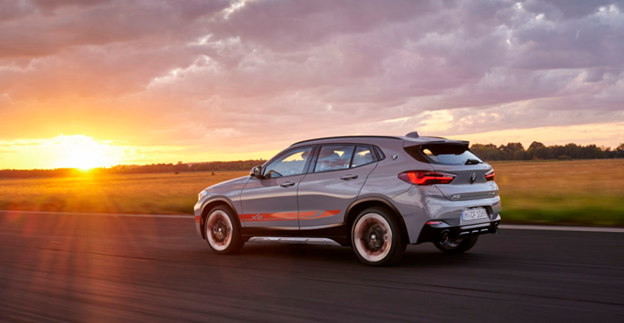
For years, the answer to "can I put regular gas in my BMW?" was a pretty firm no, or at least a "you can, but you shouldn't." That's starting to change. Some of the newest BMWs on the road have quietly lowered their official minimum octane requirement, and owners are noticing the difference right on the fuel door. Here's what's actually changed, which models it applies to, and what it means for your fill-ups.
What Changed, Exactly?
Owners of the redesigned BMW X1 have been comparing notes, and the pattern is clear: on 2023 and 2024 X1 models, the fuel door sticker and owner's manual list a minimum of 89 AKI octane, the "mid-grade" or "plus" fuel at most gas stations. On the current-generation X1 (and the closely related MINI models that share its engine), that minimum has dropped to 87 AKI, true regular unleaded, with E5, E10, and E15 blends all listed as acceptable. That's a real spec change, not just a marketing tweak, and it shows up in the printed documentation BMW ships with the car.
Why Can BMW Do This Now?
The short answer is smarter engine management. Modern turbocharged BMW engines use knock sensors that constantly monitor for pre-ignition ("knock") and adjust ignition timing on the fly. When lower-octane fuel is detected, the engine delays timing slightly to prevent knock, which protects the engine from damage. That technology isn't new, BMWs have had adaptive knock sensors for years, but the latest generation of engine software is tuned to lean on it more aggressively, which is what let BMW officially certify a lower minimum octane rating rather than just tolerating regular gas as a workaround.
Recommended vs. Required: The Distinction Still Matters
Here's the part that's easy to miss: a lower minimum doesn't mean premium fuel stopped mattering. BMW's advertised horsepower and torque figures are still measured using the recommended premium fuel (typically 91 AKI or higher). Run 87 octane in a car like this and the engine's computer will still dial back timing to compensate, which means you'll likely notice softer throttle response and a small dip in fuel efficiency, even though the engine itself is not at risk. Think of it as "regular gas won't hurt it, but premium is still what it's tuned to perform best on."
Does This Apply to Every BMW?
Not yet, and this is the most important caveat. This lowered-octane spec currently shows up on the X1/X2 and related MINI models built on that shared engine platform. Higher-output BMWs, including the 3 Series, 5 Series, X3, X5, and every M model, still list premium as required, with M cars specifically calling for 91-93 AKI to hit their rated power numbers. The safest way to know what your specific BMW needs is to check the sticker on the inside of your fuel door or the fuel section of your owner's manual, since the requirement can vary by model, engine, and model year even within the same nameplate.
- Currently spec'd for 87 octane minimum: Recent-generation X1/X2 and related MINI models
- Premium recommended, regular generally tolerated: Most mainstream four-cylinder BMW models
- Premium required: M models and other high-output performance variants
TL;DR: Some newer BMWs, starting with the current-generation X1, now officially list 87 octane as the minimum acceptable fuel, down from 89 on prior model years, thanks to more aggressive adaptive knock control. That said, premium fuel is still what these engines are tuned to perform best on, and most of the rest of the BMW lineup, especially M models, still calls for premium. Check your fuel door sticker or owner's manual to know exactly what your BMW needs.
Not Sure What Your BMW Needs?
Fuel requirements can vary even between trims of the same model, and getting it right matters for both performance and your engine's long-term health. Stop by BMW of Bridgewater or give us a call, our team can look up the exact fuel specification for your VIN and answer any questions before your next fill-up.